
"Brazil method"
7000 article(s) found

Description of Brazilian Coffee Flavor introduction to the Grinding scale of the treatment method in the Manor area
Brazilian coffee flavor description taste manor regional treatment grinding scale introduction Brazilian coffee was introduced from French Guiana in 1729. It is true that intensive farming, changing treatment methods and improving the technical content of planting can improve the quality of coffee to a certain extent, but the natural conditions of Brazil cannot be compared with those of some regions that produce top coffee in the world, because although

Introduction to the characteristics of the manor producing area with a long aftertaste of Brazilian boutique coffee beans
Brazil is known as the kingdom of coffee. It is the largest coffee producer and exporter in the world. The output value of coffee accounts for more than 30% of the world's output value. 1% of the coffee in the world is produced here. Brazil is also the second largest coffee consumer in the world after the United States. About 300000 farmers here are engaged in the coffee industry. It not only carries the important task of Brazil's economic development, but also affects the world.

Talking about Brazil, a big coffee producer in the world
When it comes to Brazil, everyone can always talk about it. Brazilian football is good. Brazilian coffee is a big coffee producer in the world. Its beans are sour and mild in taste, and its beans are often used to mix and make concentrated beans with nutty aroma in slightly acid. it has a long taste. Today, let's talk about Brazil, a coffee producing region. Brazil, known as the coffee kingdom, is the largest in the world.

Introduction to boutique coffee: introduction to red bourbon coffee, Brazilian red bourbon coffee, taste and flavor, hand flushing technique.
Professional coffee knowledge exchange more coffee bean information Please pay attention to Coffee Workshop (Wechat official account cafe_style) bourbon coffee originates from a natural variant of Tibica, a coffee variety with a long history, and both varieties belong to Arabica! General bourbon coffee mainly changes from green fruit to ripe bright red.
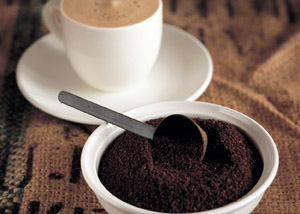
Introduction to the taste of varieties produced by the method of grinding and calibration for flavor description of Brazilian coffee beans
Brazil is vividly compared to the giant and monarch of the coffee world. There are about 3.97 billion coffee trees there, and small farmers now grow 75% of Brazil's total coffee production. The number of coffee producers in Brazil is twice or even three times that of Colombia, the second largest coffee producer in the world. Unlike in the past, Brazil's economy is now less dependent
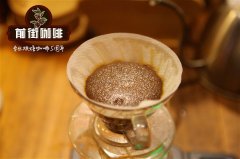
South of South Minas, Brazil. Does the forest manor in the town of Camo go to peel and bask in the flavor of Kaduai?
Professional coffee knowledge exchange more coffee bean information please follow the coffee workshop (Wechat official account cafe_style) South South Minas, Brazil | Camo Town Forest Manor peel sun Kaduai flavor? Brazil is currently the world's largest coffee producer, with a total output of 48.095 billion bags, surpassing the global output of 1% of the world's total. Brazilian Fine Coffee Association (BSCA) is committed to

Description of Information Flavor of Brazilian Coffee Bean planting Historical Variety Manor
Communication of professional baristas Please pay attention to the coffee workshop (Wechat official account cafe_style) due to inherent conditions, the Brazilian government has invested a lot of resources to improve varieties and disease resistance since the 1930s. Among them, the results of bean research still affect the planting habits of Latin America as a whole. For example, they cultivated a natural variant of Bourbon, Yellow, from 1/1000000 opportunities in the 1930s.

Introduction to the production area of Yellow Bourbon Coffee Flavor description Variety characteristics treatment method in Queen Manor of Brazil
Brazilian coffee was first introduced to Brazil in the early 18th century. In 1727, the Brazilian government sent a personable army officer to secretly bring coffee seeds from French Gaiana to Brazil on the pretext of mediating border disputes. It is said that the governor's wife of French Gaiana was so fascinated by the officer that she secretly brought coffee tree seeds to him at a farewell dinner.

Why is Brazilian coffee popular? Where does Brazil produce the most coffee? Brazilian coffee drinking method
Professional coffee knowledge exchange more coffee bean information Please pay attention to the coffee workshop (Wechat official account cafe_style) although the annual output value of Brazilian coffee reaches 30% to 35% in the world, ranking first in the world, but it is a pity that none of the Brazilian beans can be called cutting-edge coffee. Compared with other coffee-producing countries in Central and South America, Brazil is mostly about 600-1000 meters above sea level, even in the south.

Brazilian coffee making technology Brazilian coffee beans
Let's talk about desizing. The desizing method was introduced to Brazil 25 years ago by Pinhalense, a well-known machinery and equipment manufacturer. Desizing is the second most popular way to treat raw coffee beans in Brazil, and Brazilians like to call it Cereja Descascado (Descascado means peeling, Cereja means fruit). In Central American countries, desizing is also known as honey treatment. In

Brazilian coffee beans production time introduction red bourbon coffee beans flavor aroma characteristics taste description
Brazil is the world's largest coffee producer. Because of Brazil's vast territory, each farm has its own unique aroma, which undoubtedly has Brazilian standards. Not only are Brazil's coffee quality standards very strict, but Brazil's green coffee processing system is also very high by world standards.

[practical information] how are coffee beans screened and graded?
Communication of professional baristas Please pay attention to the grading of coffee in the coffee workshop (Wechat official account cafe_style). If the owners of two cafes are discussing, owner A says: the coffee beans we use in our shop are NO.2 in Santos, Brazil. Where is your shop? B the shopkeeper said: our store uses Brazilian NO.1 of the same level as Blue Mountain NO.1. The evaluation method adopted in Brazil is the deduction method, according to every 300 grams.

Differences, distinctions and awards of individual beans in Brazilian coffee
Exchange of professional baristas please follow the coffee workshop (Wechat official account cafe_style) Brazilian coffee individual bean differences, distinction and award situation in addition, 80% of Brazilian coffee is dried coffee, the remaining 20% is semi-dried and washed. Its coffee taste characteristics are different, but high-quality coffee slightly tends to use semi-dry treatment. However, drying treatment

Coffee knowledge | what are the raw beans of Brazilian coffee?
Professional coffee knowledge exchange more coffee bean information Please pay attention to the coffee workshop (Wechat official account cafe_style) the four most common treatment methods of Brazilian coffee are: natural sun treatment, desizing treatment, semi-washing and water washing, of which natural sun treatment is the most popular. Due to the two main producing areas of Brazil, Serrado Minero (Cerrado Mineiro) and Mogiana Poly
Historical stories of main producing areas of Brazilian Coffee beans which brand tastes good
Professional coffee knowledge exchange more coffee bean information please follow the coffee workshop (Wechat official account cafe_style) Brazil, of which seven states have the largest production, accounting for 98% of the country's total output. Sao Paulo State (Mogiana, Centro-Oeste) Parana State (No

Perfect New Mamba-Lin Dong Mantning + Brazilian Syrador Flavor
For the exchange of professional baristas, please pay attention to the coffee workshop (Wechat official account cafe_style) [origin] Lindong Sumatra Lintong in Sumatra, Brazil Cerrado in Brazil [treatment] half-sun treatment method Pulped Natural [characteristics] subvert the traditional Mamba tone, increase the proportion of Manning, increase the rich oil fragrance, and bring the fragrance of Brazilian Syrador.
Brazil Menas Daterra Estate Introduction Sunrise Coffee Bean Description
Brazil is the world's largest coffee producer, accounting for about 30% of coffee production. However, due to Brazil's location in tropical rain forest areas, relatively flat terrain and few high-altitude forests, most coffee is planted in low-altitude non-volcanic soil areas, and there is not much shade as shade, resulting in the rapid growth of Brazilian beans, but the coffee density is soft and the flavor does not change much.

Information introduction of Zelena Manor in Brazil _ recommended methods for brewing coffee beans in the sun
Professional coffee knowledge exchange more coffee bean information please follow the coffee workshop (Wechat official account cafe_style) Brazilian coffee due to its special geographical location is particularly suitable for the traditional way of tanning to deal with Selena Manor using the most traditional sun drying method can provide higher sweetness than water-washed beans and the complex aroma of nut chocolate brought about by natural fermentation.

Brazil Minas Datra (Daterra) Manor Sun Bean Rainforest Alliance Brazilian Coffee Special
Professional coffee knowledge exchange more coffee bean information please follow the coffee workshop (Wechat official account cafe_style) Brazil is the world's largest coffee producer accounts for about 30% of coffee production, but because Brazil is located in the tropical rain forest, the terrain is relatively flat with few high-altitude mountain forests, most coffee is grown in low-altitude non-volcanic soil, and there is not much shade as a shade.
Coffee farms in Brazil
Coffee plantations in Brazil range from large mechanized farms on flat land to small farms harvested manually in mountainous areas. Brazilian farms have no shade trees for shade.